

Why a Summer Camp Job Is a "Real Job"

(And Possibly the Most Fun One You’ll Ever Have)

Let’s clear something up right away. Summer camp jobs are fun. Really fun.
They involve laughter, movement, inside jokes, songs you did not expect to know by heart, and the kind of energy that comes from spending your days outdoors instead of behind a desk.
They are also very real jobs that require responsibility, professionalism, and care.
Both things can be true at the same time.

Yes, It’s Fun.
And Yes, It’s Serious Work.
Camp days are filled with games, swimming, creativity, and constant motion. But behind the fun is real responsibility.
Camp staff are trusted with children’s safety, emotional well-being, and daily experience. They lead groups, manage routines, support friendships, and help kids navigate big feelings. Decisions matter. Presence matters. Showing up consistently matters.
You might spend the morning leading a game, the afternoon helping a camper feel brave enough to jump into the pool, and the day ending with a popsicle and a dance party.
It is joyful work. It is also meaningful work.
For lifeguards in particular, camp work also includes maintaining certifications, enforcing safety protocols, and making real-time decisions that protect campers every day.

Camp Work Is for More Than One Type of Person
Camp teams are intentionally diverse.
Alongside high school and college students, camps employ teachers, coaches, school support staff, parents with older children, and people looking for seasonal work that feels human and fulfilling.
What brings people to camp is not age or career stage. It is a shared interest in working with kids, contributing to a community, and doing work that feels purposeful.

Skills That Show Up Everywhere
Working at camp builds skills that follow people far beyond the summer.
Camp staff practice:
leadership and accountability
communication with children, peers, and supervisors
teamwork and collaboration
problem-solving in fast-moving situations
adaptability and emotional awareness
These are the same skills used in classrooms, offices, nonprofits, healthcare, and leadership roles. Camp simply teaches them through lived experience rather than theory.

Real Responsibility Builds Real Confidence
Camp staff are trusted from day one.
They are responsible for children’s safety, group dynamics, daily schedules, and emotional support. That trust helps people learn how to stay calm under pressure, think clearly when plans change, and take ownership of their role.
Confidence grows quickly when responsibility is real and support is present.
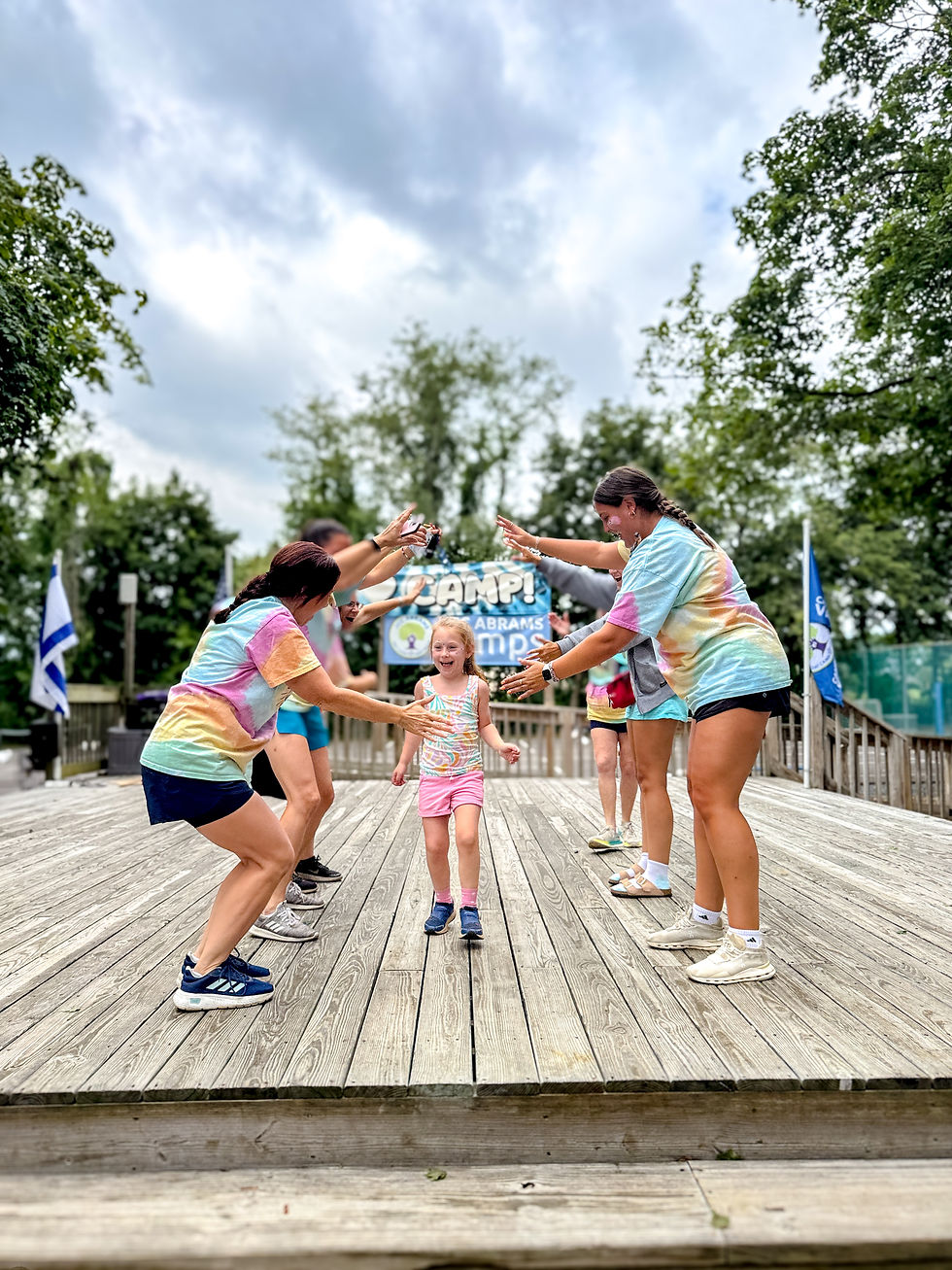
Yes, It Also Looks Great on a Resume
Camp experience stands out on resumes, job applications, and college applications, especially when the camp is part of a nonprofit organization.
It signals leadership, reliability, and service. Colleges and employers recognize that camp work reflects real-world responsibility and teamwork, not passive participation.
For many people, camp becomes one of the most meaningful experiences they talk about in interviews because it shows growth, initiative, and impact.

The Perks Are Real
Let’s not ignore the good stuff.
Camp is one of the few jobs where meals are provided, ice cream appears on hot days, and someone reminds you to drink water. There are theme days, surprise treats, music, and moments that feel more like joy than work.
And then there is Color War. Staff are fully in it, with opportunities to serve as team generals and captains. From planning chants and strategy to leading campers with energy and pride, it becomes a shared experience that builds connection, leadership, and memories staff talk about long after summer ends.
You work hard. You are also taken care of while making memories that will last a lifetime.

More Than a Summer Job
For many people, working at camp becomes a defining experience.
It builds confidence, strengthens skills, and creates lasting relationships. The lessons learned through teamwork, responsibility, and care often carry forward long after the summer ends.
A summer camp job is real work. And when it is done in the right environment, it can also be some of the most joyful and rewarding work a person ever does.

Why Working at JCC Abrams Camps Feels Different
Not all camp jobs feel the same. Culture matters.
At JCC Abrams Camps, staff are treated as essential members of the community, not temporary help. Training is thoughtful, expectations are clear, and leadership is present and supportive throughout the summer.
Staff work in a collaborative, inclusive environment where communication matters and help is always nearby. Meals are provided, days are structured with intention, and appreciation is part of the culture.
Many staff return year after year because they feel trusted, supported, and proud of the work they do.
Roles That Match Different Strengths
Abrams offers a variety of roles to fit different interests and experience levels, including:
counselors and assistant counselors
specialists in athletics, aquatics, creative arts, and enrichment areas
unit leaders and supervisory roles
certified lifeguards and aquatics staff
support roles that help camp run smoothly
Every role plays a meaningful part in creating a great summer for campers and staff alike.
Interested in Learning More?
Whether you are a student, educator, coach, parent, or someone looking for meaningful seasonal work, we would love to share more about what working at JCC Abrams Camps looks like.
There is no pressure. Just a chance to explore roles, ask questions, and see if camp feels like the right fit for you.
Learn more about joining our team here.


Comments